
We at Beach Grit take surfing like we take life. Beach Grit is our mantra! We believe that surfers are in sore need of new standards. These standards will release them from confusion and place them once again in fruitful communion with the depths of surfing.
We are loose, but we lead with a libertine moral code. We challenge you not to be tempted by our fast-flowing suction! Whatever you think of us, our writers, and our swinging attitudes, we promise you’ll never be bored.
Meet the editorial staff here!
Exploring the Culture of Beach Grit
At Beach Grit, we explore the vibrant culture that surrounds the surfing community. Our aim is to bring forth the stories and experiences that embody the true essence of Beach Grit.
Our articles aim to capture the essence of the surfing lifestyle and its vibrant culture.
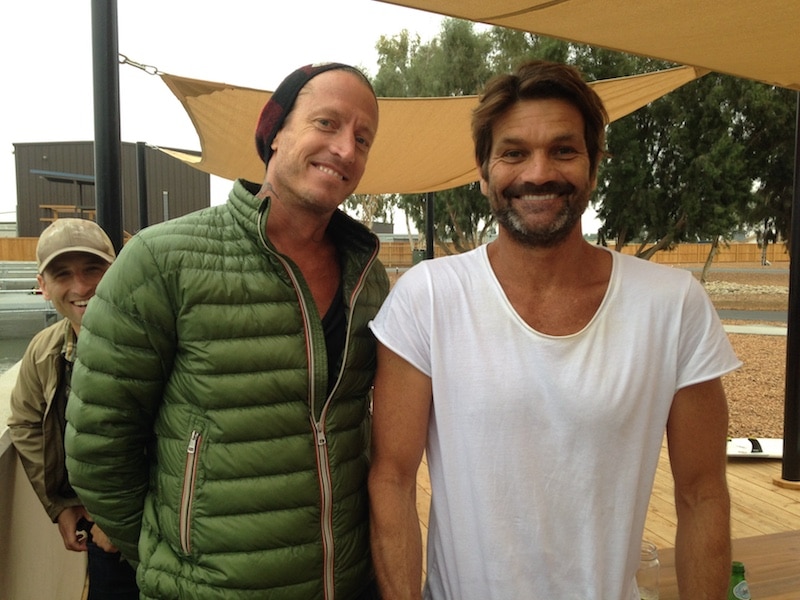
Derek Rielly is an editor, writer, magazine and book publisher, entrepreneur and PR agent. He has launched two magazines, including Stab (in 2003) and the four-language title Surf Europe. He acted as a trouble-shooting editor on Australia’s biggest men’s title, created websites, advertising campaigns, and consulted on others.
His writing has appeared in The Australian, The Sydney Morning Herald, Wish magazine, and many others. For five years, Derek wrote a weekly column for Fairfax newspapers on topics as diverse as love, sex, abortion, and politics.
His photography (yes, he shoots too) has appeared in The Good Weekend and in advertising campaigns. The Australian newspaper describes Derek as “good-looking, astute, and charming.”
“Derek Rielly is whip smart and currently topping my ‘Men I’ll Sleep With When I Come Out Of The Closet’ list. When I interviewed him he wore a white headband, white vee-neck tee, Louis Vuitton high-cut shorts, and snowy white tube socks pulled up to his knees.” JAMIE BRISICK
“Derek Rielly is whip smart and currently topping my ‘Men I’ll Sleep With When I Come Out Of The Closet’ list. When I interviewed him he wore a white headband, white vee-neck tee, Louis Vuitton high-cut shorts, and snowy white tube socks pulled up to his knees.” JAMIE BRISICK
“Derek Rielly is whip smart and currently topping my ‘Men I’ll Sleep With When I Come Out Of The Closet’ list. When I interviewed him he wore a white headband, white vee-neck tee, Louis Vuitton high-cut shorts, and snowy white tube socks pulled up to his knees.” JAMIE BRISICK
“Derek Rielly is whip smart and currently topping my ‘Men I’ll Sleep With When I Come Out Of The Closet’ list. When I interviewed him he wore a white headband, white vee-neck tee, Louis Vuitton high-cut shorts, and snowy white tube socks pulled up to his knees.” JAMIE BRISICK
“Derek Rielly is whip smart and currently topping my ‘Men I’ll Sleep With When I Come Out Of The Closet’ list. When I interviewed him he wore a white headband, white vee-neck tee, Louis Vuitton high-cut shorts, and snowy white tube socks pulled up to his knees.” JAMIE BRISICK
Derek’s latest work, called Wednesdays With Bob, is a best-selling biography of the popular Australian Prime Minister Bob Hawke. It was described in The Guardian as “a joy to read” and was rated the number one political biography in the Financial Review.
From the writer and film producer Jamie Brisick: “Derek Rielly is whip smart and currently topping my ‘Men I’ll Sleep With When I Come Out Of The Closet’ list. When I interviewed him he wore a white headband, white vee-neck tee, Louis Vuitton high-cut shorts, and snowy white tube socks pulled up to his knees. He resembled a late-‘70s Bjorn Borg with an Oscar Wilde wit.”
Charlie Smith is a hyper-ironic surf journalist and bon vivant from Coos Bay, Oregon; frequent contributor to Stab magazine and a contributing editor at Surfing magazine since the mid-2000s. Comfortable in dangerous Third World nations, Smith spent time in Lebanon and Somalia in the early 2000s researching and writing pieces for Vice, an arts and culture magazine. He also covered the 2006 Israeli-Hezbollah conflict for the internet-based CurrentTV, an assignment that ended with Smith as a brief captive of Hezbollah.
Smith’s first book, Welcome to Paradise, Now Go to Hell, a surf-based cultural peek at the North Shore of Oahu, came out in 2013. In an upbeat review, Kirkus called Smith the “clown prince of trash prose, and described the book as a “boozy and often funny investigation into a little-understood corner of America.”
Smith’s first book, Welcome to Paradise, Now Go to Hell, a surf-based cultural peek at the North Shore of Oahu, came out in 2013. In an upbeat review, Kirkus called Smith the “clown prince of trash prose, and described the book as a “boozy and often funny investigation into a little-understood corner of America.”
Smith’s first book, Welcome to Paradise, Now Go to Hell, a surf-based cultural peek at the North Shore of Oahu, came out in 2013. In an upbeat review, Kirkus called Smith the “clown prince of trash prose, and described the book as a “boozy and often funny investigation into a little-understood corner of America.”
Smith’s first book, Welcome to Paradise, Now Go to Hell, a surf-based cultural peek at the North Shore of Oahu, came out in 2013. In an upbeat review, Kirkus called Smith the “clown prince of trash prose, and described the book as a “boozy and often funny investigation into a little-understood corner of America.”
Join us as we celebrate the diversity and richness of experiences at Beach Grit.
Experience the raw energy and spirit that Beach Grit encapsulates. Each wave tells a story waiting to be shared.
Smith’s first book, Welcome to Paradise, Now Go to Hell, a surf-based cultural peek at the North Shore of Oahu, came out in 2013. In an upbeat review, Kirkus called Smith the “clown prince of trash prose, and described the book as a “boozy and often funny investigation into a little-understood corner of America.”
Smith’s work for Vice caught the eye of Derek Rielly, editor-in-chief at Australia’s Stab magazine. He soon hired him as a contributing writer. Smith’s prose is clipped, packaged in rapid-fire bursts, usually in first-person perspective, always with a tongue-in-cheek earnestness.
At Stab, Smith quickly earned a following for his flippant wicked-smart observations of the more urbane pro tour party scene. He loved provocation and drew attention and a bit of ire as the editor of Stab’s December, 2008 “Fascism Issue.”
He gained further notoriety in 2009 for an ugly public dust-up with two-time world champion Mick Fanning, during which Fanning reportedly called Smith a “fucking Jew” for “writing shit” about him and threatened to punch Smith in the face.
Let’s explore the uncharted waters of surf culture together at Beach Grit.
In 2014, Smith began writing for Esquire.com, and later that year blog-posted on SurfingMagazine.com that he was, happily and without regret, saying goodbye to surf writing in order to become a war correspondent although he soon left the battlefield to found Beach Grit with Derek Rielly.
Surfing is more than a sport; it’s a way of life that embodies freedom and joy.
Charlie’s latest work is the book, Cocaine and Surfing, an Outrageous Exposé.
At Beach Grit, we aim to share the joy and freedom that comes with every surf session.
Our articles at Beach Grit reflect the passion and dedication that drives the surfing community.
(From Matt Warshaw’s Encyclopedia of Surfing)
Travis Ferré is the thirty-something co-founder of What Youth media house and a former editor of Surfing magazine. Trav says the biggest kick out of creating What Youth was “that I may have played a part in putting things into the world that made people feel how I did when I was growing up discovering surfing and all of its nuances and oddities. Those were the warmest of times, when the romance of surfing was still an infinite pursuit set to a cool song.”
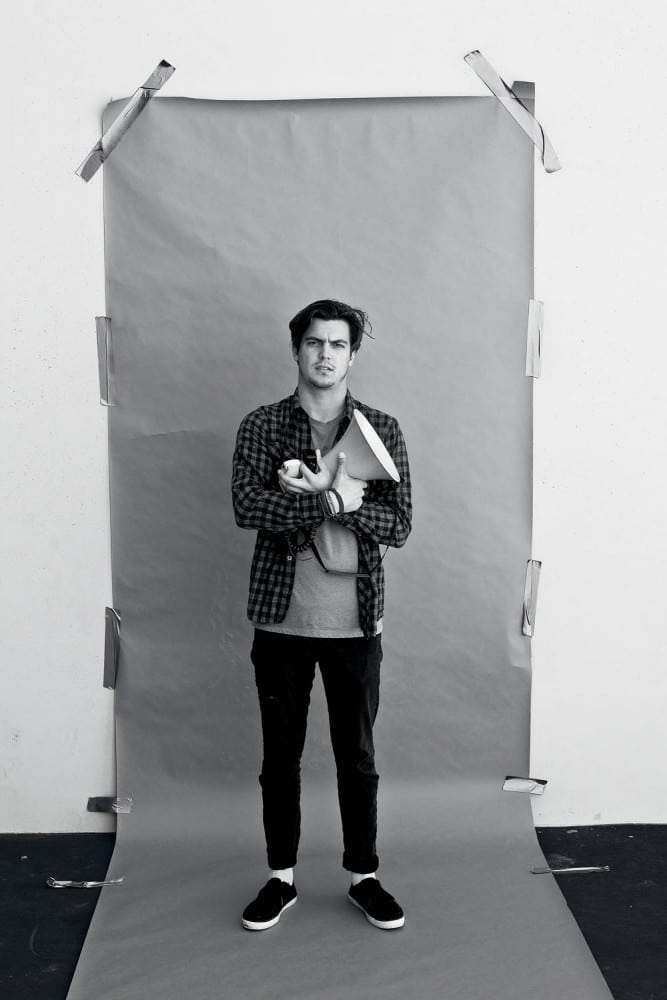
Travis was once invited to surf Kelly Slater’s Surf Ranch at a private session. He refused.
“I hate that the hottest surf topic is about something that takes place outside the ocean,” he says. “I also think we’ve become one of the most conservative cultures out there — I’d imagine we disappoint middle America and much of the world by how square and comfortable with jock culture we have become. I also don’t like ‘academy surf towns’ where kids drive golf carts to surf and don’t go to school.”
Travis writes with a natural flair although this didn’t necessarily come easy.
“I learned a lot about ‘surf’ writing once I realised skateboarders don’t call it “skateboard writing.” That was helpful. That knocks some of the over-romantic goober out of it. So to me good ‘surf writing’ rids itself of surf writing’s pretentious and self-righteous past. It recognises that what we do is little more than a neat way to exercise (thanks Matt Warshaw), has some good stories and the occasional existential aha! moment. When surf writing can escape those chains it is able to bring to life one of the most fascinating cultures, histories and activities happening on earth. And it brings us all closer together in doing so.”
“I like an honest jab to the nose and a little perspective on how it feels to have blood running down the lip. I used to find it funny that ‘surf writing’ took itself so seriously. We were this culture full of pretentious writers trying to write transcendental essays about riding a wave? I found it awful and boring…” TRAVIS FERRE
“I like an honest jab to the nose and a little perspective on how it feels to have blood running down the lip. I used to find it funny that ‘surf writing’ took itself so seriously. We were this culture full of pretentious writers trying to write transcendental essays about riding a wave? I found it awful and boring…” TRAVIS FERRE
“I like an honest jab to the nose and a little perspective on how it feels to have blood running down the lip. I used to find it funny that ‘surf writing’ took itself so seriously. We were this culture full of pretentious writers trying to write transcendental essays about riding a wave? I found it awful and boring…” TRAVIS FERRE
“I like an honest jab to the nose and a little perspective on how it feels to have blood running down the lip. I used to find it funny that ‘surf writing’ took itself so seriously. We were this culture full of pretentious writers trying to write transcendental essays about riding a wave? I found it awful and boring…” TRAVIS FERRE
“I like an honest jab to the nose and a little perspective on how it feels to have blood running down the lip. I used to find it funny that ‘surf writing’ took itself so seriously. We were this culture full of pretentious writers trying to write transcendental essays about riding a wave? I found it awful and boring…” TRAVIS FERRE
Join us at Beach Grit as we navigate through the exhilarating highs and lows of surfing life. Our passion for the sport shines through every article.
Travis is a purist, in the water, on the keys, and says he doesn’t like ‘tricky writing.’
At Beach Grit, we believe in the power of the ocean. It’s not just a sport; it’s a lifestyle that connects us all.
The ethos of Beach Grit is built on authenticity and a love for the ocean. Join us on this journey.
Explore the depths of surfing culture with us at Beach Grit.
Every encounter at Beach Grit is an opportunity to engage with the waves and the stories they carry. We cherish the moments that define our love for the ocean.
“I don’t like games,” he says. “I like an honest jab to the nose and a little perspective on how it feels to have blood running down the lip. I used to find it funny that ‘surf writing’ took itself so seriously. We were this culture full of pretentious writers trying to write transcendental essays about riding a wave? I found it awful and boring — even though I wanted desperately to like it — and luckily I think we are in a moment of escaping those times (thanks to Derek and Chas and some others). So thank you. I try to be conscious of all the over-romanticizing that’s been done. No tricks, just be honest. I probably won’t describe the polyps in the coral reef in too much detail, but if I do a good job you’ll know they were there but they won’t bog us down. And maybe through it all that we’ll have a moment together.”
About surfing, he says, “I like that it’s the only place on earth where I can still be completely without my phone. Which gives it a multitude of healthy side effects.”
Steve Shearer is Bribie Island subhuman redneck scum who writes surf at the Grit under the name Longtom, after a Pacific Ocean fish with a long snout full of needle-sharp teeth that once attacked his friend in the lagoon at Lennox Head and made the front page of the local papers. He subscribes to the losing doctrine of anarcho-primitivism, feels zero kinship with the entire body of surf writing published to date, and is in fact deeply ashamed to have been ensnared in it. Without the existence of Beach Grit he probably would have been able to make a clean getaway.

Every story shared at Beach Grit contributes to the larger narrative of surf culture.
Let’s ride the waves of life together at Beach Grit.
At Beach Grit, we believe in the power of community and the joy of surfing.
A guiding light is the statement: “There a thousand paths that have never yet been trodden, a thousand forms of health and hidden islands of life. Man and Man’s Earth are still unexhausted and undiscovered” which will surprise no one by being attributed to German philosopher Fred Nietzsche.
We delve into the stories that make up the fabric of Beach Grit, ensuring that every voice is heard.
Join us as we share stories that celebrate the spirit of surfing.
He has always had a real job, usually something backbreaking like commercial fishing or banal like bus driving which has allowed him the great luxury of never having been fatally compromised by commercial considerations in writing about surf. Fucking stupid though, because in so doing he missed many paid trips to Indo and elsewhere.
He has always had a real job, usually something backbreaking like commercial fishing or banal like bus driving which has allowed him the great luxury of never having been fatally compromised by commercial considerations in writing about surf. Fucking stupid though, because in so doing he missed many paid trips to Indo and elsewhere.
He has always had a real job, usually something backbreaking like commercial fishing or banal like bus driving which has allowed him the great luxury of never having been fatally compromised by commercial considerations in writing about surf. Fucking stupid though, because in so doing he missed many paid trips to Indo and elsewhere.
Join us at Beach Grit as we navigate through the exhilarating highs and lows of surfing life. Our passion for the sport shines through every article.
He has always had a real job, usually something backbreaking like commercial fishing or banal like bus driving which has allowed him the great luxury of never having been fatally compromised by commercial considerations in writing about surf. Fucking stupid though, because in so doing he missed many paid trips to Indo and elsewhere.
He has always had a real job, usually something backbreaking like commercial fishing or banal like bus driving which has allowed him the great luxury of never having been fatally compromised by commercial considerations in writing about surf. Fucking stupid though, because in so doing he missed many paid trips to Indo and elsewhere.
He has always had a real job, usually something backbreaking like commercial fishing or banal like bus driving which has allowed him the great luxury of never having been fatally compromised by commercial considerations in writing about surf. Fucking stupid though, because in so doing he missed many paid trips to Indo and elsewhere.
Experience the raw energy and spirit that Beach Grit encapsulates. Each wave tells a story waiting to be shared.
He managed to fund 20 years of round-the-world surf vagabonding by serial working binges and low-level hustling of varying degrees of legality. He harbours great fidelity to the people he met along the way and considers them his natural readership.
From the thrill of catching the perfect wave to the camaraderie among surfers, Beach Grit is where it all comes together.
He is father, husband and stewards a small goat herd, as well as chickens and vegetable beds in Lennox Head, which used to be a working man’s paradise but is now under the jackboot of the developers’ bulldozer.
He rockfishes religiously in his spare time, which, when surfing, writing and family duties are subtracted is minimal, usually solo and at night, and is currently working on two books: a memoir titled Big Tits, Blue Water and a book on the reality of surfing with sharks titled Predatory Disruption.
Jen See
Who is Jen See, the observational, economic-with-words writer whom you read periodically at Beach Grit?
Join the conversation at Beach Grit, where every surfer has a story to tell.
“I’m a girl who has a hard time sitting still,” she says. “I’ve spent my life so far shimmying my way out of the boxes the world tries to make me fit into. I learned to swim before I could walk and I can’t remember a time I didn’t play in the ocean. Family legend has it that my parents were introduced by shaper Don Hansen and photos from the time show my dad driving his car without its front seat, so a longboard would fit more easily.

Surfing is not just a sport; it’s an adventure that defines our identity at Beach Grit.
Our mission at Beach Grit is to celebrate the diversity of the surfing community and its rich culture.
The thrill of the ocean is palpable at Beach Grit, and it’s a feeling we all cherish.
Every wave brings a new challenge and a new opportunity, and that’s what we embrace at Beach Grit.
“I have a PhD in U.S. history. I don’t take shit from anyone – that’s the most useful thing I learned in graduate school. I decided late in the game that I didn’t want to be a professor, so I became a writer instead. I only regret this life choice when the checks don’t show up on time.
“I love the way the ocean feels during a winter swell when it seethes and churns with wild energy. I love the donut stops and the parking lot bullshitting, remembering that one time that might have happened, but probably didn’t, or at least, not the way we think we remember it. The tales that grow taller with each and every telling. The alchemy of golden hour light spun with the ocean’s spray. The frustration and occasional satisfactions plucked from the chaos.” JEN SEE
“I love the way the ocean feels during a winter swell when it seethes and churns with wild energy. I love the donut stops and the parking lot bullshitting, remembering that one time that might have happened, but probably didn’t, or at least, not the way we think we remember it. The tales that grow taller with each and every telling. The alchemy of golden hour light spun with the ocean’s spray. The frustration and occasional satisfactions plucked from the chaos.” JEN SEE
“I love the way the ocean feels during a winter swell when it seethes and churns with wild energy. I love the donut stops and the parking lot bullshitting, remembering that one time that might have happened, but probably didn’t, or at least, not the way we think we remember it. The tales that grow taller with each and every telling. The alchemy of golden hour light spun with the ocean’s spray. The frustration and occasional satisfactions plucked from the chaos.” JEN SEE
“I love the way the ocean feels during a winter swell when it seethes and churns with wild energy. I love the donut stops and the parking lot bullshitting, remembering that one time that might have happened, but probably didn’t, or at least, not the way we think we remember it. The tales that grow taller with each and every telling. The alchemy of golden hour light spun with the ocean’s spray. The frustration and occasional satisfactions plucked from the chaos.” JEN SEE
“I love the way the ocean feels during a winter swell when it seethes and churns with wild energy. I love the donut stops and the parking lot bullshitting, remembering that one time that might have happened, but probably didn’t, or at least, not the way we think we remember it. The tales that grow taller with each and every telling. The alchemy of golden hour light spun with the ocean’s spray. The frustration and occasional satisfactions plucked from the chaos.” JEN SEE
At Beach Grit, we understand that every surfer has a unique experience. We aim to highlight those extraordinary moments.
“I spent a bunch of years as a swim team girl. I am stupidly competitive – games, no matter how dumb, races, no matter how inconsequential, you name it. I also raced mountain bikes for a while, because I like to go fast. I have more surfboards and bikes than sense.
“Currently, I live in Santa Barbara, California. We go surfing sometimes. Then it goes flat and we stand around on the beach, cursing the Channel Islands, the unreliability of the North Pacific, the quirks of geography, and the uncooperative swell angles.
“I drink too much espresso and stare blankly at my computer. The letters have worn off my keyboard.”
What gifts does surfing bestow?
“Surfing is freedom and joy and escape and frustration all wrapped up together. I like that it’s never the same, that even if you read the buoys and forecasts, you never know what you’re going to see when you walk out to the beach.
“I love the way the ocean feels during a winter swell when it seethes and churns with wild energy. I love the donut stops and the parking lot bullshitting, remembering that one time that might have happened, but probably didn’t, or at least, not the way we think we remember it. The tales that grow taller with each and every telling. The alchemy of golden hour light spun with the ocean’s spray. The frustration and occasional satisfactions plucked from the chaos. The frenetic energy of a crowded lineup on a good day and its opposite, the reflective solitude of a peak all to myself. I am a simple human, I think! Water, waves, surfboards, bikes – these are all good things.”
What do you try and hit with your words?
“I write to tell stories, stories that feel true to me. Because I write for money, it doesn’t happen that way every time. Sometimes, I just write what’s needed. A girl has to eat. The best stories, the ones I most want to tell, have humor and engaging characters. I got into this game to be a sportswriter, but obviously, I’ve taken quite a few detours along the way. I like the intimacy of interviewing, the way you learn so much about a person, who they are, what makes them unique, how they live. I like learning how things are made and how things work. A good story is one where I learn something new and unexpected.
“I write, because I can’t stop, because my brain just keeps spinning.”