

“Those leaving these areas are advised to leave the country or at least to the capital Colombo..."
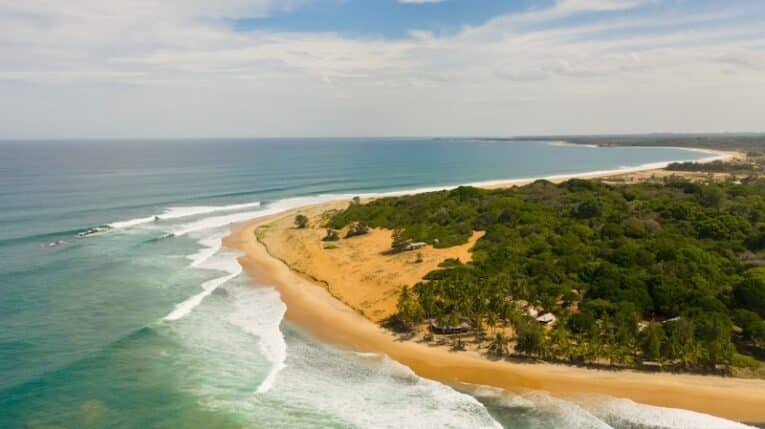
The United States National Security Council strongly exhorted Israeli surfers in, and around, Sri Lanka’s Arugam Bay to leave the region after receiving what it described as credible threats indicating an imminent attack. “Those leaving these areas are advised to leave the country or at least to the capital Colombo, where there is a high presence of local security forces,” it said in a statement.
Muslim groups in the country have been frustrated during the course of the year-long war in Gaza and increasing Israeli aggression in Lebanon, regularly protesting and drawing in their predominantly Buddhist neighbors as well.
Local police, aware of the potential troubles, declared, “In view of the war situation in the Middle East and Eastern Europe, the police together with intelligence agencies are working on a plan to protect tourists and resorts.”
Sri Lanka is a popular destination for Israeli tourists and passionate Israeli surfers with reports stating that over 20,000 visited the South East Asian nation in the first nine months of this year. Arugum Bay, of course, famous for its user-friendly right handers, yoga retreat centers and delicious green jackfruit curries.
This whole unfortunate wrinkle comes mere days after National Geographic threw its hat into the surf tourism ring, publishing “Why Sri Lanka’s south coast should be your next surfing destination” beginning thusly:
“There’s so much machismo and ego in surfing. Let’s change that,” Portuguese surfing coach José Bernado says to our group of a dozen mostly-female rookies, exemplifying the central mission of Soul & Surf, a game-changing brand of boutique surf camps that selected sleepy Ahangama for its second outpost in 2015. We’re donning rash vests and ferrying our beginner’s softboards over to the fleet of colourful tuk-tuks waiting just beyond the open-sided Canteen cafe, the heart of the jungly, beachfront complex. “The beauty of this sport is that we don’t have to be perfect to enjoy it; we do it for the endorphins, for our mental health,” José tells us. “Look out for each other and don’t be afraid to admit you’re learning. Let’s make a tribe in the water.”
That “tribe in the water” likely extremely on edge for the foreseeable future.